
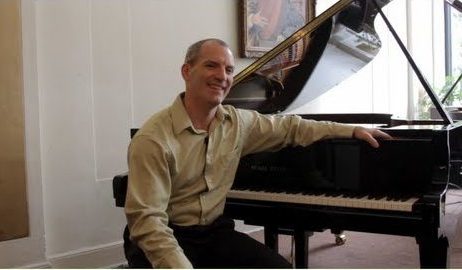
 I couldn't be happier with my piano purchase from Altenburg Piano House. My old piano was great and served its purpose but was completely out of tune. Needed a new piano and found Altenburg Piano through high recommendations. They have an incredible selection to choose from and really help you find which piano is perfect for you. The staff was excellent and Fred was wonderful. They truly helped me get back into re-discovering my love for piano playing during the quarantine. Haven't played like this since I was a kid and so happy to get back to basics. It's been therapy for me and for so many others who listen!
  I couldn't be happier with my piano purchase from Altenburg Piano House. My old piano was great and served its purpose but was completely out of tune. Needed a new piano and found Altenburg Piano through high recommendations. They have an incredible selection to choose from and really help you find which piano is perfect for you. The staff was excellent and Fred was wonderful. They truly helped me get back into re-discovering my love for piano playing during the quarantine. Haven't played like this since I was a kid and so happy to get back to basics. It's been therapy for me and for so many others who listen!
I couldn't be happier with my piano purchase from Altenburg Piano House. My old piano was great and served its purpose but was completely out of tune. Needed a new piano and found Altenburg Piano through high recommendations. They have an incredible selection to choose from and really help you find which piano is perfect for you. The staff was excellent and Fred was wonderful. They truly helped me get back into re-discovering my love for piano playing during the quarantine. Haven't played like this since I was a kid and so happy to get back to basics. It's been therapy for me and for so many others who listen!
I couldn't be happier with my piano purchase from Altenburg Piano House. My old piano was great and served its purpose but was completely out of tune. Needed a new piano and found Altenburg Piano through high recommendations. They have an incredible selection to choose from and really help you find which piano is perfect for you. The staff was excellent and Fred was wonderful. They truly helped me get back into re-discovering my love for piano playing during the quarantine. Haven't played like this since I was a kid and so happy to get back to basics. It's been therapy for me and for so many others who listen!